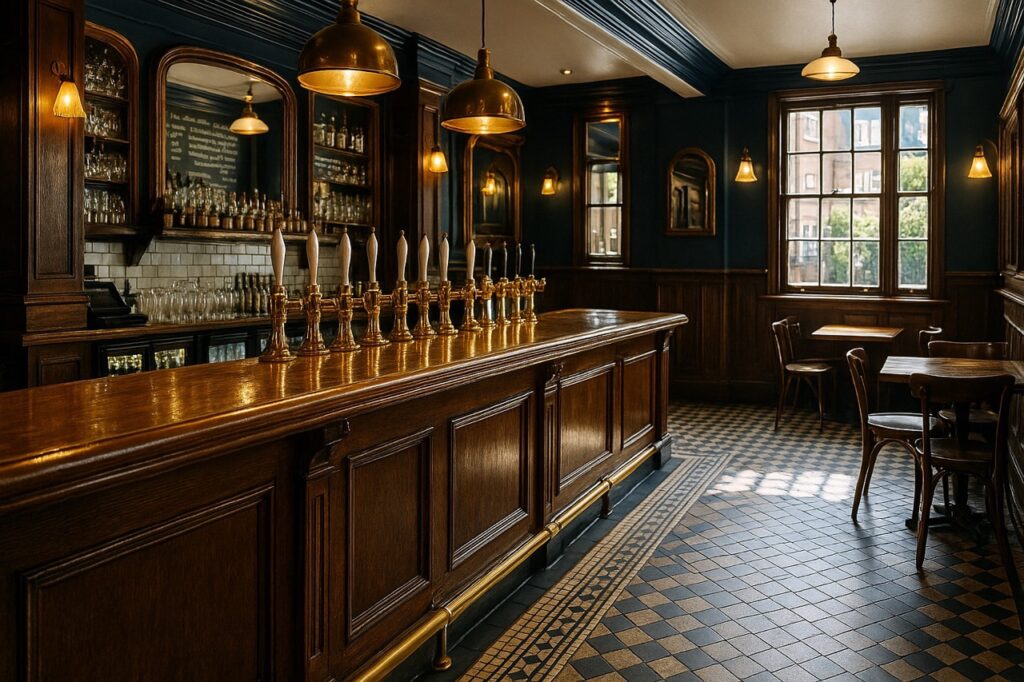
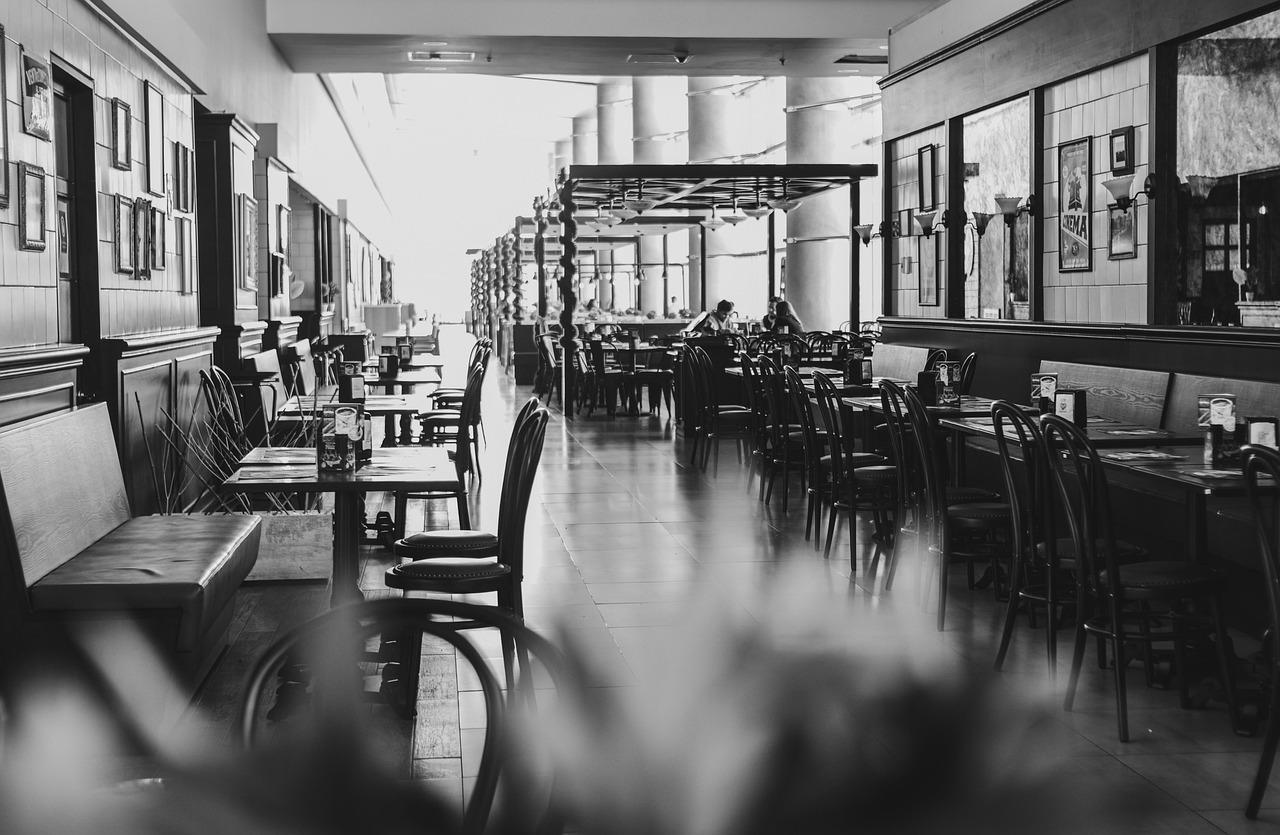
Restaurant cleaning in London is judged in the moments that matter. The first walk in, the toilets at peak service, the smell in the air, the floor underfoot, the kitchen standards behind the scenes. Operators do not need promises. They need a routine that survives service, closes down properly, and resets the venue without creating new problems.
This is what a cleaning service has to get right in pubs and restaurants if it is going to be trusted long term.
Standards that match how venues operate
Restaurant cleaning in London needs standards that separate front of house from back of house, and cleaning from disinfection. Toilets, floors, touch points, and waste handling cannot be vague.
Kitchens need a schedule that matches risk areas and frequency. The standard should also define what happens after events, private hires, and busy weekends, because those are the moments where drift starts.
Materials and safe hygiene practice
Food environments require careful product selection and correct sequencing. Cleaning removes grease and visible soil. Disinfection is a separate step where needed. The Food Standards Agency provides practical guidance on cleaning effectively and preventing harmful bacteria from spreading onto food.
Correct dilution, dwell time, ventilation, and cloth separation matter more than brand names.
Risks that hit service, not just the back room
The risks are operational.
Cross contamination in food areas
Slip risk from residues on floors
Toilets that fail during peak service
Waste handling that creates odour and pest risk
Build up behind bar zones that guests notice immediately
If cleaning is unreliable, managers end up doing quality control themselves, usually at the worst possible time.
Practices that keep venues stable
Reliable restaurant cleaning London is built around your operating rhythm.
Cleaning planned for close down, reset, and pre service checks
Waste handled consistently, including bins and liners
Cloths and tools separated by zone
Toilets treated as a priority, not an afterthought
Floors finished safely, with attention to edges and behind bar zones
Quick handover notes on consumables and anything affecting service
Restaurant cleaning London summary table
| Zone | Non negotiable daily work | Weekly work | Deep work cadence |
| Front of house | Tables, touch points, floor finish, bins | High dust areas, glass detail | Periodic floor deep clean by finish |
| Behind bar | Spill control, mats, touch points | Detail on shelving, edges | Build up removal, drains where applicable |
| Toilets | Full reset, consumables check, floor safe | Edges, dispensers, behind fixtures | Scale and build up control |
| Kitchen | Clean then disinfect where required | Detail on equipment externals | Deep clean schedule by risk area |
What good venue cleaning looks like
Cleaning and disinfection treated as different steps where appropriate
Cloth and tool separation by zone
Floors finished safe for service
Toilets maintained through peak use
Cleaning schedule that matches actual operations
Conclusion
Restaurant cleaning in London is operational. When the schedule matches service reality and hygiene practice is consistent, managers stop firefighting the basics. And this is the foundation of service at Spotless London