
Office Cleaning London
Office cleaning in London becomes a problem when it steals time from the person managing the office. Missed bins, patchy washrooms, half done kitchens, and a constant drip of small complaints. A reliable office clean is not about sparkle. It is about consistency, low disruption, and a scope that actually matches the building and the headcount.
This is what office managers tend to care about in practice, and what separates an easy cleaning contract from one you end up managing every day.
Standards that reduce day to day issues
Office cleaning in London works when standards are defined in plain language. Not general clean, but what is done daily, what is done weekly, and what is done periodically.
Offices fail on the same points repeatedly. Touch points, washrooms, kitchen hygiene, and floor edges. A useful standard also includes timing, so cleaning happens around meetings and peak desk use, not through them.
The most reliable setups include a written scope that covers:
Desks and meeting rooms
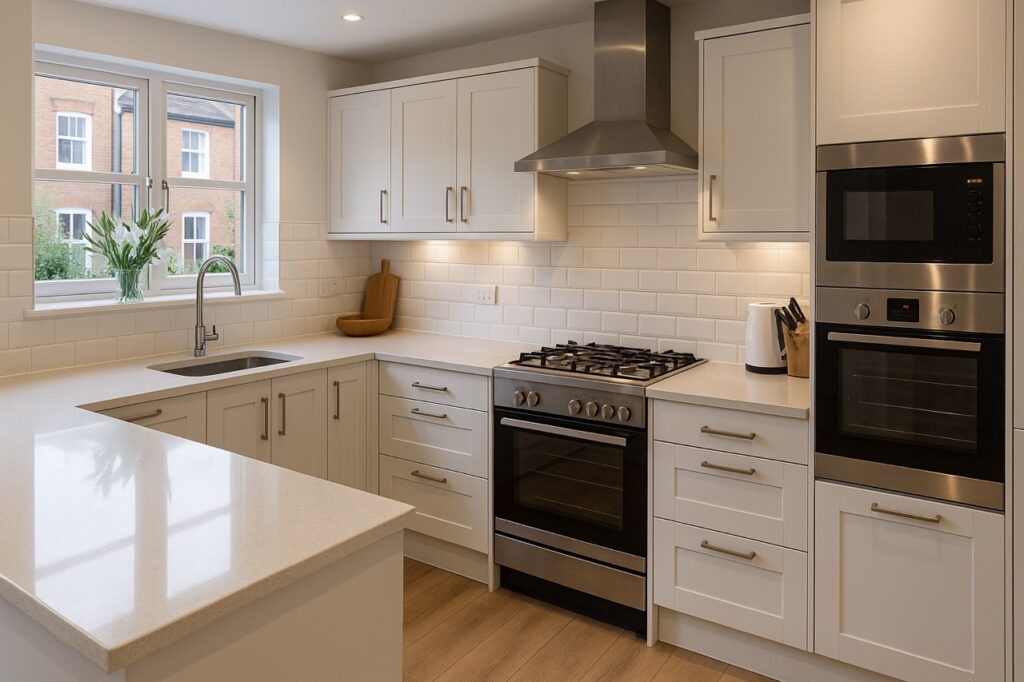
Kitchens and break areas
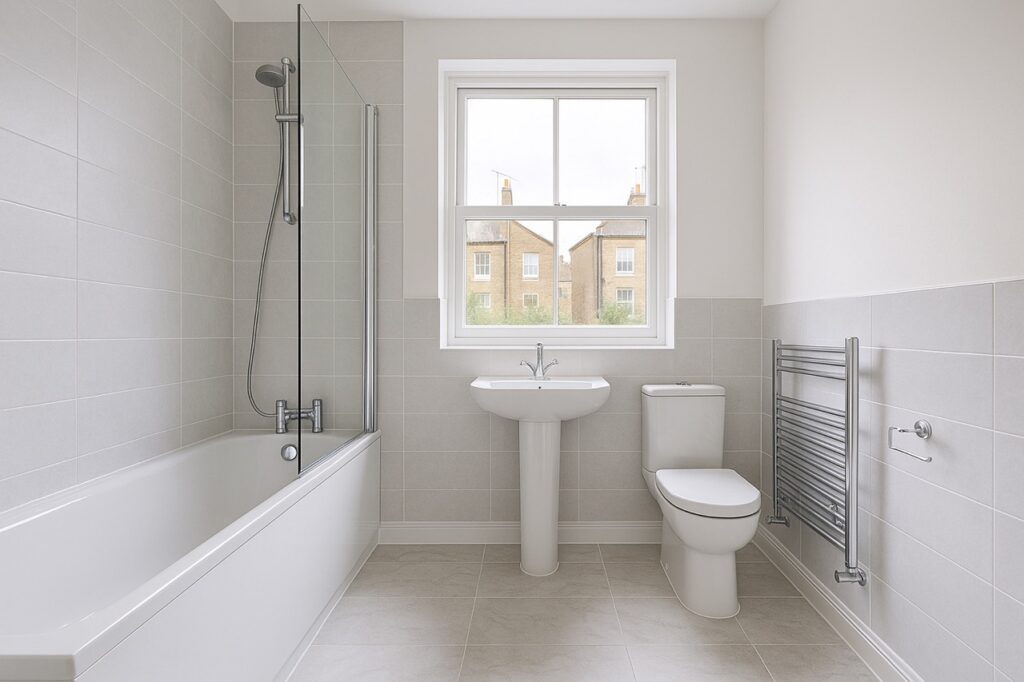
Washrooms and shared facilities
Bins, waste points, and recycling
Floors by type and traffic level
Any site specific rules such as access, alarms, or restricted areas
Materials and surface compatibility
Office cleaning in London involves mixed surfaces across the same site. Sealed wood, laminate, glass, stainless steel, fabric chairs, and different floor types. Product selection matters because residues build up fast in kitchens and washrooms, and strong chemicals can cause complaints in open plan areas.
Safe handling and storage of cleaning substances should be routine. HSE COSHH guidance for cleaners is a sensible baseline for controlling exposure, ventilation, and safe use.
Operational risks office managers actually deal with
The risk for an office manager is not only cleanliness. It is operational drag. Staff lose confidence in the workplace, minor issues become repeated tickets, and a small hygiene slip becomes a reputational issue when clients visit.
There is also practical risk. Slip hazards from poorly finished floors, skin irritation from incorrect chemical use, and hygiene failures in shared kitchens. An office clean that drifts adds work to the office manager’s plate.
Practices that keep office cleaning consistent
Good office cleaning London is built on repeatable practice.
A written scope matched to time on site
A site briefing that covers access, alarms, waste points, and kitchen rules
A consistent checklist for washrooms and kitchens
A simple handover note when something is out of stock or needs attention
Scheduling that avoids peak disruption
The aim is that the cleaning service reduces decisions, not creates them.
Office cleaning London summary table
| Area | Daily focus | Weekly focus | Monthly or periodic focus |
| Desks and meeting rooms | Touch points, bins, visible dust | Detail on ledges, marks on partitions | High dust areas, vents where accessible |
| Kitchens | Surfaces, sinks, bins, touch points | Toilets, sinks, floors, consumables check | High traffic areas finished safely |
| Washrooms | Fridge external, cupboard fronts | Mirrors, edges, dispensers wipe down | Edges and corners |
| Floors | Deep detail, limescale control as needed | Detail behind fixtures, scale control | Periodic deep clean by floor type |
What a good office clean should give you
Clear scope split by frequency
Products suited to mixed office finishes
Quiet, low disruption scheduling
Hygiene priorities in kitchens and washrooms
Simple reporting that prevents repeat issues
Conclusion
Office cleaning London should run in the background. If the scope is clear, materials are handled safely, and the practice is consistent, the office manager stops thinking about cleaning day to day.